 FREE SHIPPING


A trailer jockey wheel lives a hard life. Between the novice who tows off with the wheel still down and the boatie who never gives it a second thought, it's a wonder they last as long as they do. The wet, salty environment, the road grime, and the fact that they only get used now and then all add up to a part that needs looking after.
A bit of regular jockey wheel maintenance keeps yours winding smoothly instead of seizing solid on the day you need it most. This guide covers how to inspect, maintain, service and troubleshoot your jockey wheel, and how to tell when it's time for a new one.
Why a Working Jockey Wheel Matters
You lean on the jockey wheel every time the boat is on land. It manoeuvres the trailer into position, keeps the drawbar off the ground, and does the heavy lifting when you hitch up to the car.
It's a genuine piece of safety gear too, since it stops the boat tipping or dropping while it's parked. A jockey wheel that won't wind at the worst moment turns an easy hitch into a wrestling match, which is why it earns a spot in your routine right alongside getting the boat on and off the trailer.
Inspecting Your Jockey Wheel
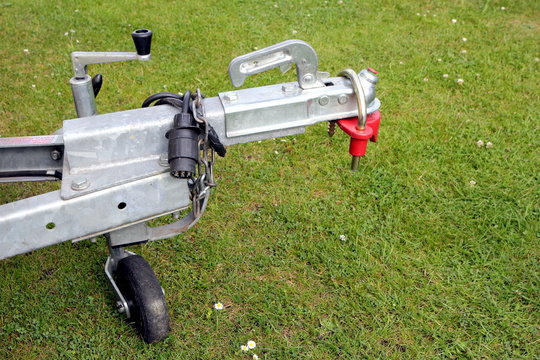
Most jockey wheels share the same basic parts: an inner core, outer and inner tubes, a bearing, a handle, the wheel and an axle. Some have the handle pinned to the shaft, which makes greasing the bearing awkward, but most use a roll pin you can push out. Start your inspection at the wheel itself.
If it's worn or carrying flat spots, replace it, because it needs to take the boat's weight and let you shuffle the trailer while hitching. A fresh solid rubber jockey wheel, or a nylon or pneumatic one, makes the job easier. If you're not sure which suits your setup, our guide on choosing and fitting a jockey wheel runs through the options.
Routine Jockey Wheel Maintenance
You don't need to pull the whole thing apart often, but a quick check keeps it in good nick. Your trailer already needs regular attention - rollers, lights, tyre pressures and rust - and it's easy to skip the jockey wheel while you're at it, so add it to your boat maintenance checklist.
Check the spring-loaded handle and extension pins lock cleanly into both holes in the mounting plate. Wind the jockey wheel up as high as it goes and look for corrosion and trapped dirt, which is worse if the boat lives out in the open where moisture and grit work their way inside. Wipe everything down and regrease it so it stays lubricated and corrosion stays out.
How to Service a Jockey Wheel
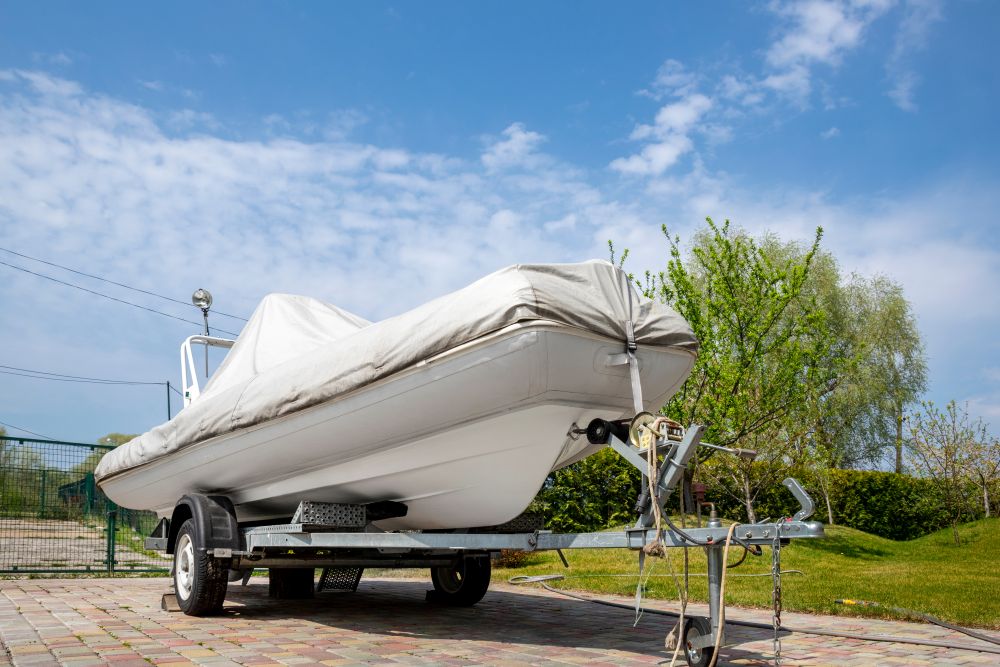
A full service every year or two keeps the jockey wheel winding freely, so you never get caught with one that won't budge. You only need basic tools and a sturdy bench with room to lay the parts out.
First though, make the boat safe: the jockey wheel is what keeps it level and stops it tipping, so secure it before you touch anything. Apply the handbrake, chock the trailer tyres, and prop the drawbar on a sawhorse or timber block to take the weight.
- If the bracket has been on the trailer a long time, take it off and check the bolts. Hidden corrosion is common even though they never hit the water. Spray stubborn nuts with a penetrant and tap them with a hammer (keep it off the thread) to loosen them before the spanner.
- Check the jockey wheel clamp runs smoothly and is free of grime, then remove the jockey wheel and set it on the bench.
- Undo the wheel from the lower case with a spanner on each side. Inspect the wheel and axle shaft for wear and replace anything past its best.
- Wind the handle out fully to separate the upper and lower cases. The last few turns release the shaft from the lock nut.
- Drive out the roll pin with a punch and hammer to free the handle, supporting the top of the shaft so you don't bend it. Fit a replacement handle if the old one is damaged.
- Knock the worm drive shaft out with a mallet, then remove the bearings, washers and nylon sleeve. Clean them in a little diesel or turps with an old brush and dry them off.
- Pack the washers, cage and threads with marine grease - it keeps water out far better than general grease - then reassemble the shaft into the upper casing. Clean any corrosion from the housing with a wire brush and a rag wrapped around a long screwdriver.
- Check the lower case: the fixed nut is secure, the internal thread is undamaged. Regrease the nut and worm drive.
- Refit the wheel with a little grease on the axle, tighten the axle nut and check it spins freely. Refit the roll pin, or a new one if it's damaged.
- Wind the handle both ways to confirm it's smooth before you reinstall it on the trailer.
Replacing Jockey Wheel Bearings
If there's one part worth getting right, it's the bearings. Broken, missing or seized bearings cause most jockey wheel dramas. Open the case and, if the bearings are shot, drop in a new bearing set - it's a cheap, quick fix that saves the whole unit. Give the fresh bearings a good pack of marine grease while you're there.
Troubleshooting Jockey Wheel Problems
When a jockey wheel plays up, the cause is usually one of a handful of things. Here's how to read the symptoms and sort them.
| Problem | Likely cause | Fix |
|---|---|---|
| Handle is stiff or won't wind | Dried grease or corrosion on the worm drive | Strip, clean and regrease the shaft and thread |
| Wheel won't turn or feels seized | Worn or seized bearings | Fit a fresh bearing set |
| Handle spins but the wheel won't raise or lower | Sheared roll pin or worn bevel gear | Replace the roll pin, or fit a new handle bevel gear |
| Wheel wobbles or won't hold the weight | Flat-spotted or worn wheel, or a worn axle | Replace the wheel |
| Clamp slips or won't grip the shaft | Grime in the clamp or a worn clamp | Clean it out, or fit a new clamp |
| Rust seizing the handle and pins | Moisture from storing the boat in the open | Clean, dry and regrease, and store it under cover |
If servicing won't save it, a new standard jockey wheel with a swivel clamp is a straightforward swap, and often cheaper than chasing down every worn part one at a time.
Find the Right Jockey Wheel or Spare
A jockey wheel that winds like new makes hitching and launching a breeze. When servicing has run its course, browse the full range of jockey wheels to find one that suits your trailer, from standard nylon through to heavy-duty off-road setups.
For handles, clamps, wheels and other spares, the trailer parts range has what you need to keep the old one going. Not sure which part or wheel you're after? Call the team at Boat Accessories Australia on 1300 308 161 or get in touch online and we'll point you to the right fit.

Jockey Wheel Maintenance FAQs
How often should I service my jockey wheel?
Give it a quick maintenance check each time you use the trailer, and a full service every one to two years to keep it winding smoothly.
Why won't my jockey wheel wind up or down?
Usually dried grease or corrosion on the worm drive, which a strip-down, clean and regrease will fix. If the handle spins freely without moving the wheel, the roll pin or bevel gear has worn out.
What grease should I use on a jockey wheel?
Marine grease is best because it keeps saltwater out, but any general grease will do at a pinch. Pack the bearings and coat the worm drive and threads.
Can I just replace the wheel instead of the whole jockey wheel?
Yes. If only the wheel is worn or flat-spotted, fit a new nylon, solid rubber or pneumatic wheel. Replace the whole unit if the shaft, thread or casing is damaged.
